Windows 12 Delayed as 25H2 Takes Priority
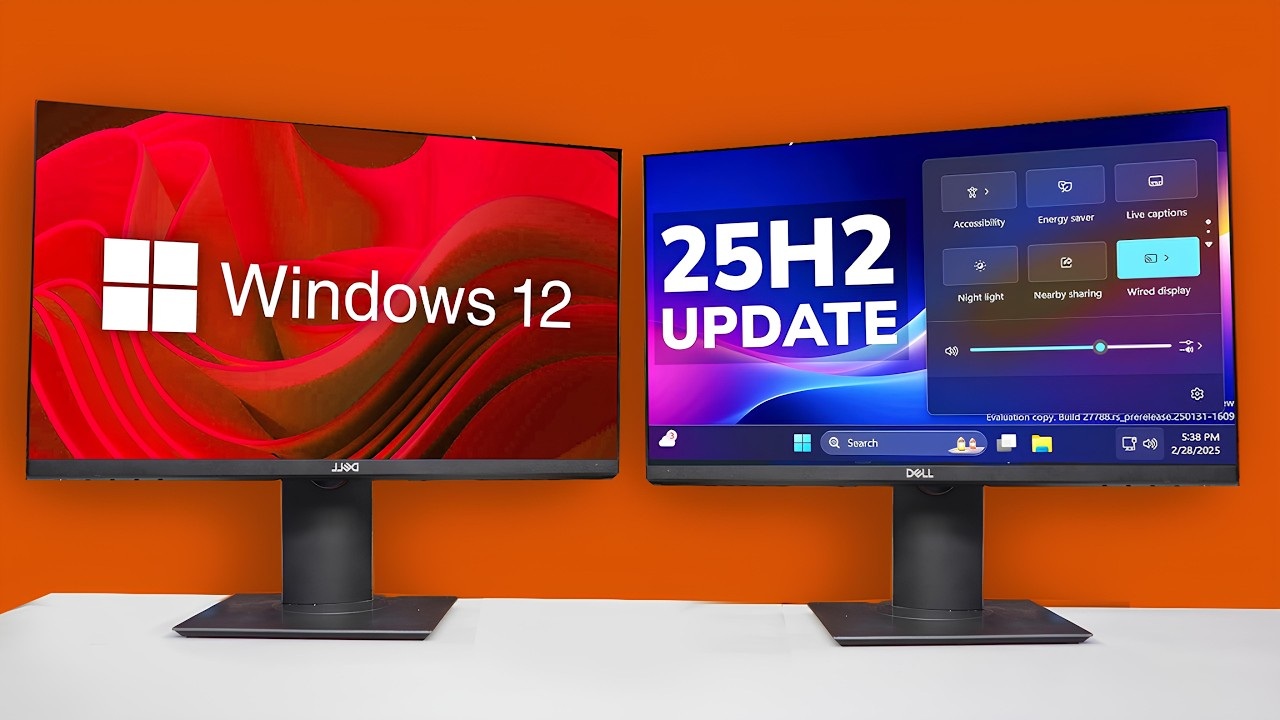
If you were waiting for Windows 12 to arrive this year, there is a shift in plans you need to know about. Microsoft appears to be pressing pause on its next generation operating system and instead doubling down on a major Windows 11 25H2 update.
For many users, this might come as a surprise. After months of rumors around AI powered features and next level PC experiences, Windows 12 seemed closer than ever. But the latest developments suggest Microsoft is taking a more strategic route and that could actually be good news.
Here is what is happening and why it matters.
Why Windows 12 Is Reportedly Delayed
According to recent industry coverage, Microsoft is preparing a substantial Windows 11 25H2 update instead of pushing forward with a brand new Windows 12 release in the near term. Rather than splitting resources between two operating systems, the company is reportedly focusing on refining and strengthening Windows 11.
This decision signals a few important things:
- Microsoft wants a more stable and polished foundation before launching Windows 12
• Windows 11 will continue to receive significant feature upgrades
• AI integration may arrive through updates rather than a new OS version
In practical terms, it means Windows 12 is not canceled. It is simply not the immediate priority.
From a strategic standpoint, this makes sense. Windows 11 is still in the process of global adoption. Many enterprise customers are only now transitioning from Windows 10. Launching Windows 12 too soon could fragment the ecosystem and create upgrade fatigue.
What to Expect from Windows 11 25H2
If Microsoft is delaying Windows 12, then Windows 11 25H2 needs to be more than just a routine patch. Early reports suggest it could be one of the most meaningful updates to Windows 11 so far.
Here is what users may see:
- Deeper AI integration across the system
• Performance and efficiency improvements
• Enhanced security features for enterprise users
• Better optimization for AI focused hardware
Microsoft has already made AI a core part of its vision, especially with Copilot built into Windows 11. The company continues to push AI PC branding, particularly in partnership with chipmakers like Intel, AMD, and Qualcomm.
Instead of reserving advanced features exclusively for Windows 12, Microsoft may introduce them gradually through Windows 11 updates. That approach allows the company to test features at scale and refine them based on real user feedback.
In my view, this is a smart move. Rushing Windows 12 iso download could have resulted in half baked features. A mature Windows 11 platform with strong AI tools feels more sustainable.
Is Windows 12 Still Coming
Yes. Windows 12 is still very much part of Microsoft’s long term roadmap. Multiple reports over the past year have pointed to a next generation Windows experience centered around AI, modular updates, and possibly even a redesigned interface.
However, the timeline appears to be shifting.
Rather than launching in the immediate cycle, Windows 12 may arrive once:
- Windows 11 adoption reaches a stronger global base
• AI hardware becomes more mainstream
• Microsoft finalizes deeper architectural changes
The company has not officially confirmed a release date. That alone suggests that the platform is still evolving behind the scenes.
It is worth remembering that Microsoft has historically adjusted its Windows release cadence. After Windows 10 was described as the last version of Windows, Windows 11 arrived years later with a refreshed design and new system requirements. The company is clearly willing to pivot when needed.
Why This Delay Could Benefit Users
At first glance, any delay can feel disappointing. But there are real advantages to Microsoft’s decision.
- More Stable Experience
Instead of forcing users into another major upgrade, Microsoft can perfect Windows 11. Stability is crucial for businesses, gamers, and creators alike. - Gradual AI Rollout
AI features can be introduced and improved step by step. This avoids overwhelming users while still delivering innovation. - Better Hardware Alignment
The AI PC wave is still developing. By the time Windows 12 launches, hardware support for neural processing units and AI acceleration will likely be stronger and more standardized.
For everyday users, this means you may not need to rush into new hardware or worry about immediate compatibility issues.
The Bigger AI Strategy Behind Windows 12
To truly understand this shift, you need to look at Microsoft’s broader AI ambitions. The company is embedding AI across its ecosystem, from Microsoft 365 to Azure cloud services. Windows is a critical part of that ecosystem.
Microsoft has already detailed its vision for AI powered PCs and Copilot integration on its official site at https://www.microsoft.com/windows. The focus is not just on flashy features but on making AI a seamless assistant throughout the operating system.
Windows 12 is widely expected to take this even further, potentially introducing:
- More context aware AI suggestions
• On device AI processing
• Smarter resource allocation
• Personalized desktop environments
If those features require deeper architectural changes, it makes sense to take extra time.
From an industry perspective, competitors are also leaning heavily into AI driven computing. Microsoft cannot afford a rushed release that fails to impress.
What This Means for Windows 10 Users
There is another layer to this story. Windows 10 support is approaching its end of life timeline. Many users who have not yet upgraded are feeling the pressure.
With Windows 12 delayed, Windows 11 becomes the clear upgrade path. That clarity could actually help drive adoption.
If you are still on Windows 10, this is likely your best move:
- Upgrade to Windows 11 if your hardware supports it
• Monitor the 25H2 update for new features
• Avoid waiting indefinitely for Windows 12
By the time Windows 12 eventually launches, Windows 11 will likely be even more mature and refined.
A Calculated Move by Microsoft
From an industry analyst perspective, this feels like a calculated and disciplined decision. Microsoft is not chasing headlines. It is focusing on ecosystem stability, AI readiness, and long term platform strength.
There is a lesson here. In technology, timing matters just as much as innovation.
Launching Windows 12 download prematurely could dilute its impact. Delaying it until the foundation is ready could make it a far more compelling leap forward.
And honestly, that is something users may end up appreciating.
Conclusion: Patience Could Pay Off
Windows 12 is not gone. It is simply waiting in the wings while Microsoft sharpens Windows 11 through the 25H2 update.
If you were hoping for a dramatic new OS reveal this year, you might need a little patience. But the upside is clear. A stronger Windows 11 today could mean a far more transformative Windows 12 tomorrow.
For now, keep an eye on the Windows 11 25H2 rollout. That update may quietly introduce many of the innovations people expected from Windows 12.
Sometimes, the smartest upgrade is the one that takes its time.

With years of experience in technology and software, John leads our content strategy, ensuring high-quality and informative articles about Windows, system optimization, and software updates.







Post Comment
You must be logged in to post a comment.