Windows 12 Delay Could Be Good News

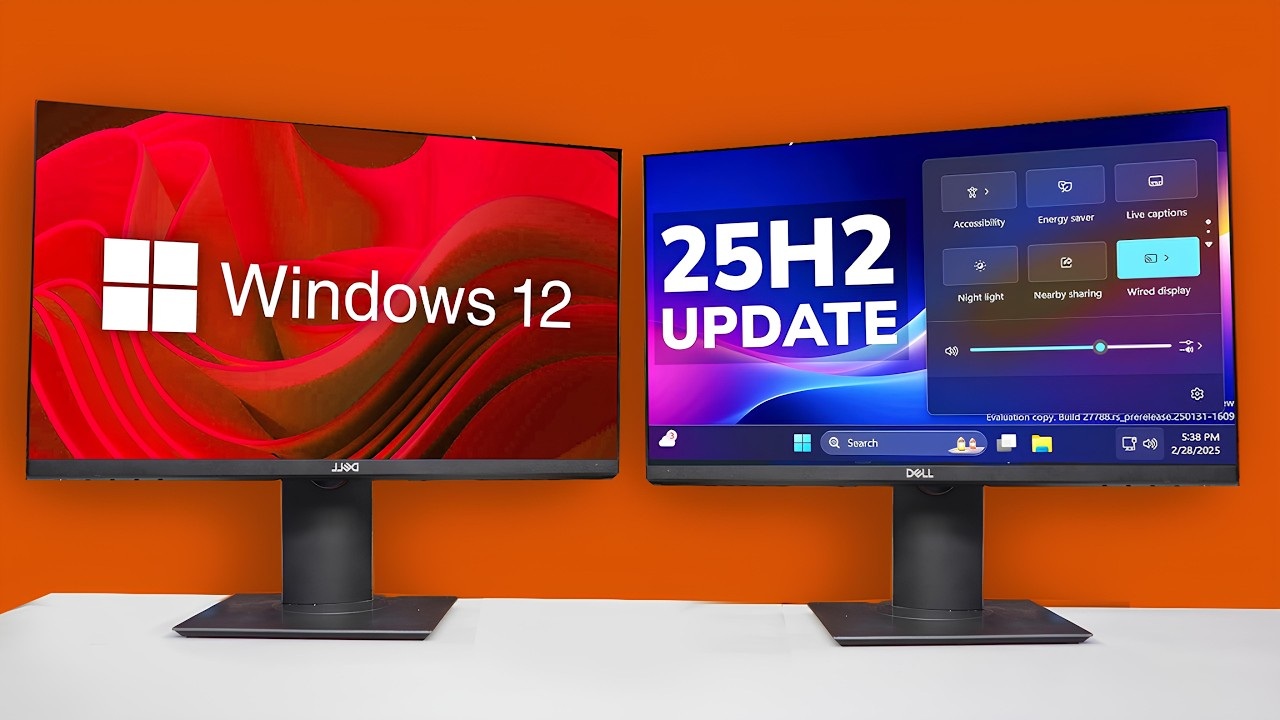
If you have been waiting for Windows 12 with excitement, you may need to slow down a bit. The buzz around Microsoft’s next big operating system is growing louder, but a recent discussion suggests something surprising. Windows 12 might not be coming as soon as many expect.
And honestly, that might be exactly what users need.
Microsoft is still deeply invested in Windows 11, and pushing out a brand new OS too quickly could create more confusion than innovation. Let us break down what is really happening and why this delay might actually work in your favor.
Why Windows 12 May Not Launch Soon
Speculation around Windows 12 has been circulating for over a year. With AI integration, next generation PCs, and major hardware partnerships in the spotlight, many assumed a 2024 or early 2025 release would be inevitable.
However, industry signals suggest otherwise.
Microsoft is still in the middle of refining Windows 11. The company has introduced AI powered Copilot, frequent feature drops, and system level improvements that make Windows 11 feel far from finished. Releasing Windows 12 too soon could disrupt this momentum.
Here is what makes a near term launch unlikely:
- Windows 11 adoption is still growing globally
• Microsoft continues to roll out major feature updates
• AI features are being integrated directly into Windows 11
• Enterprises have only recently transitioned from Windows 10
From a strategic perspective, launching Windows 12 now could fragment the ecosystem and slow enterprise stability.
Windows 11 Is Still Evolving
One of the strongest arguments against an immediate Windows 12 release is simple. Windows 11 is still evolving rapidly.
In the past year alone, Microsoft has introduced:
- AI powered Copilot integration
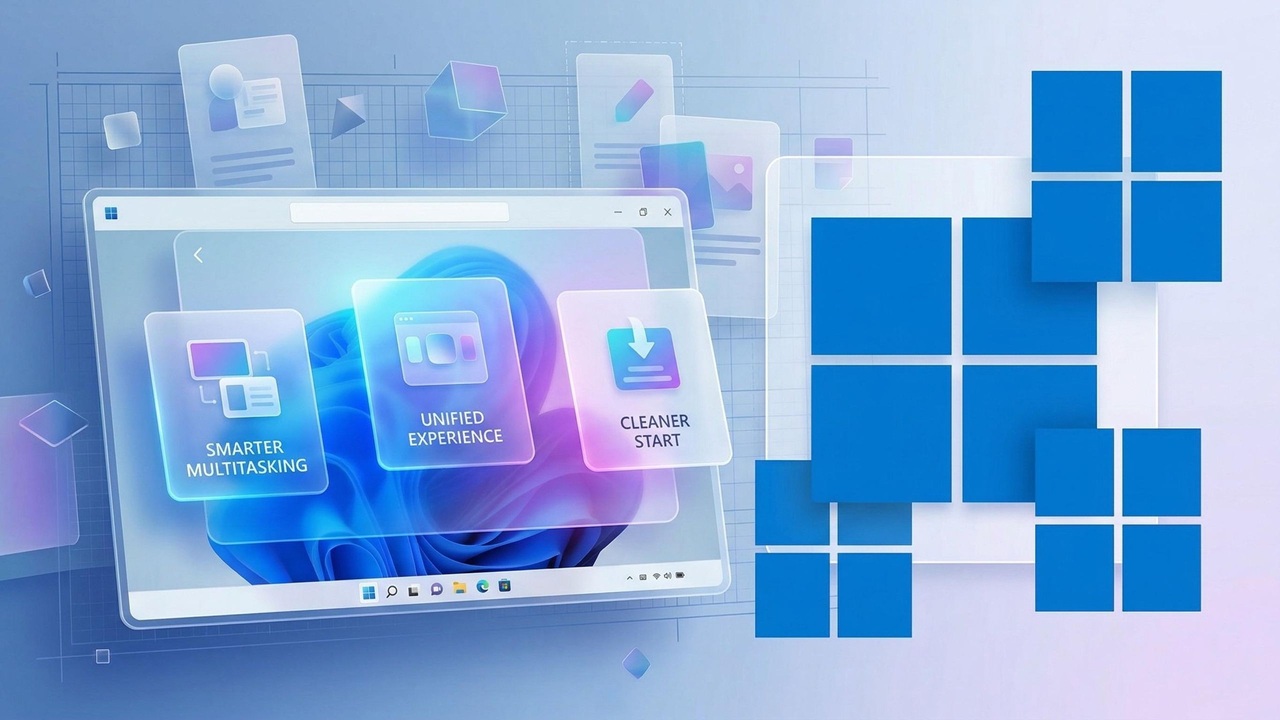
• Improved Snap layouts and multitasking
• File Explorer redesigns
• Performance optimizations for ARM devices
• Security upgrades aligned with modern hardware
Microsoft is positioning Windows 11 as an AI enhanced platform rather than rushing to rebrand the entire operating system.
This approach aligns with Microsoft’s broader AI strategy, which CEO Satya Nadella has emphasized repeatedly. The company is embedding artificial intelligence across products rather than relying solely on version upgrades.
You can explore Microsoft’s official Windows roadmap and updates on the company’s website at https://www.microsoft.com/windows to see how aggressively Windows 11 continues to evolve.
AI PCs Are Driving the Conversation
Much of the Windows 12 hype is tied to AI PCs. Chipmakers like Intel, AMD, and Qualcomm are pushing new processors with built in neural processing units designed for on device AI tasks.
The expectation is that Windows 12 would be built specifically to take advantage of this hardware.
But here is the key detail. Windows 11 is already being optimized for AI PCs.
Microsoft does not necessarily need a brand new operating system to support AI innovation. It can deliver those capabilities through updates. This strategy reduces friction for users while still enabling cutting edge features.
From a user standpoint, that is good news. You get improvements without the hassle of upgrading to a completely new OS.
What History Tells Us About Windows Cycles
Microsoft’s operating system release cycles have never been perfectly predictable.
Windows 10 launched in 2015. Windows 11 followed in 2021. That six year gap suggests that Microsoft is not in a rush to release Windows 12 just to maintain a traditional pattern.
In fact, Microsoft once described Windows 10 as the final version of Windows, shifting toward continuous updates rather than large generational jumps. While that philosophy evolved with Windows 11, the company still favors iterative improvements over rapid replacements.
If Windows 12 download launches too soon, it risks feeling incremental rather than revolutionary. Microsoft likely understands that expectations are sky high. AI integration alone will not justify a major version jump unless the overall experience dramatically changes.
Why Waiting Could Benefit Users
At first glance, a delay sounds disappointing. But think about the bigger picture.
A rushed Windows 12 could mean:
- Compatibility issues with existing software
• Hardware upgrade pressure
• Enterprise deployment headaches
• Early bugs and instability
By allowing Windows 11 to mature further, Microsoft ensures that when Windows 12 does arrive, it feels meaningful.
You deserve a release that delivers:
- Clear performance gains
• Smarter AI workflows
• Seamless cross device experiences
• Strong enterprise readiness
Waiting increases the chance that Windows 12 launches as a polished, transformative platform rather than a marketing refresh.
Enterprise Stability Matters More Than Hype
Businesses play a huge role in Microsoft’s operating system decisions. Large organizations take years to fully migrate systems.
Many enterprises only recently completed transitions from Windows 10 to Windows 11. Introducing Windows 12 prematurely would complicate IT roadmaps and budgeting cycles.
Microsoft understands that stability drives revenue and trust. The company is unlikely to disrupt enterprise clients for the sake of buzz.
This practical reality is one of the strongest signals that Windows 12 is not around the corner.
So When Could Windows 12 Arrive
While there is no official confirmation, industry analysts generally speculate that a realistic timeline could be late 2025 or beyond.
That would give:
- Windows 11 more time to mature
• AI hardware adoption to increase
• Developers time to optimize applications
• Enterprises time to stabilize deployments
If Windows 12 is positioned as a true AI first operating system, Microsoft will want the ecosystem fully prepared.
And if we are being honest, that makes sense.
The Bigger Question: Do We Even Need Windows 12 Right Now?
Here is the honest answer. Probably not.
Windows 11 continues to improve. AI features are expanding. Security is stronger than ever. Performance on modern hardware is excellent.
A new version number does not automatically equal a better experience.
Microsoft appears focused on delivering value through updates rather than chasing headlines. That strategy feels mature and calculated.
You might think you want Windows 12 today. But what you really want is a smarter, faster, more intuitive PC experience. If Windows 11 can deliver that through steady improvements, the urgency fades.
Conclusion: Patience Might Pay Off
The conversation around Windows 12 iso is exciting. New operating systems always spark curiosity and high expectations. But launching too soon could create more problems than progress.
Right now, Microsoft seems committed to strengthening Windows 11, expanding AI capabilities, and preparing the ecosystem for a bigger leap in the future.
And that is actually reassuring.
When Windows 12 finally arrives, it should feel like a true evolution, not a cosmetic upgrade. Until then, users can continue benefiting from rapid updates and smarter features without the disruption of another major transition.
If you are planning your next PC purchase or upgrade strategy, the best move may be simple. Focus on strong hardware and enjoy the ongoing improvements in Windows 11. The future of Windows is coming, but it does not need to rush.

With years of experience in technology and software, John leads our content strategy, ensuring high-quality and informative articles about Windows, system optimization, and software updates.








Post Comment
You must be logged in to post a comment.