The Ethics of AI: Should We Be Worried?
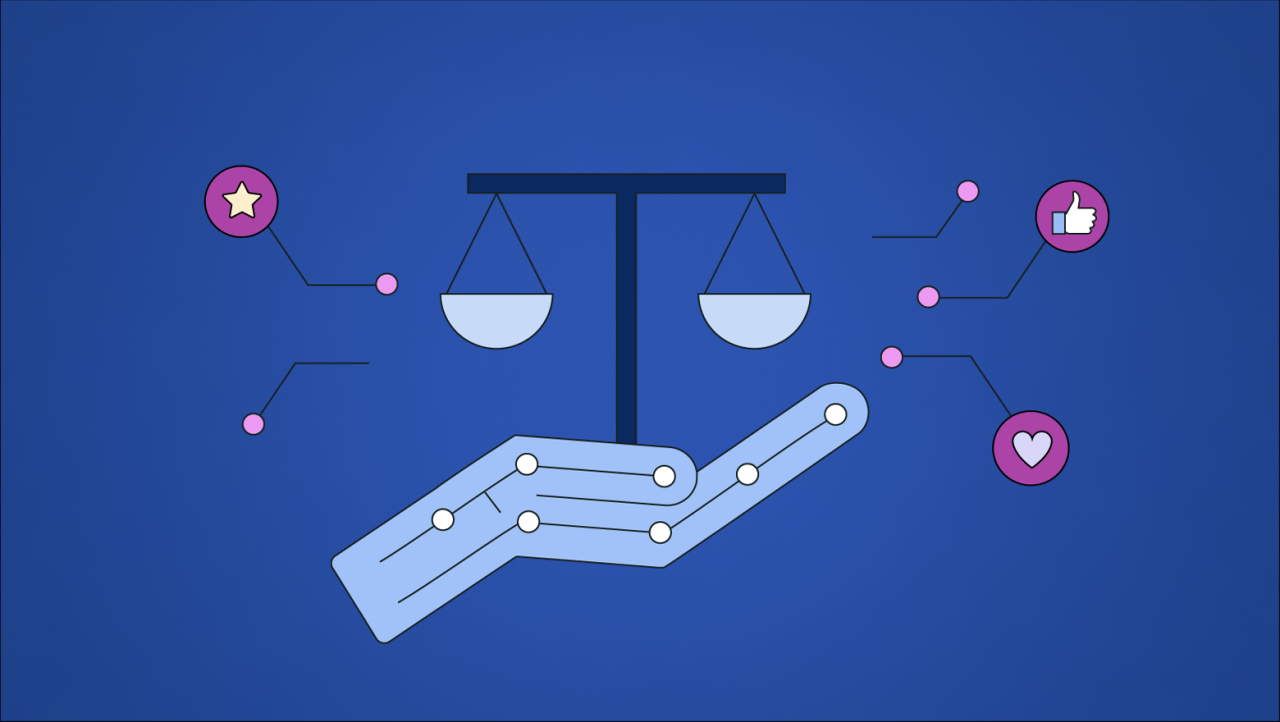
Artificial Intelligence (AI) is no longer a distant dream of science fiction. It’s here, embedded in our daily lives—powering recommendations on Netflix, assisting in medical diagnoses, driving customer service chatbots, optimizing business operations, and even generating creative content. But as AI rapidly evolves, it’s prompting a wave of ethical questions that society can no longer afford to ignore.
From job displacement and algorithmic bias to privacy concerns and the potential for autonomous weapons, the ethical dimensions of AI stretch far beyond convenience and innovation. The central question is: Should we be worried? The honest answer is yes—but not in a doomsday sense. We should be concerned, thoughtful, and proactive. The future of AI depends not just on technological development but on the moral and social frameworks we build around it.
Let’s explore the major ethical concerns of AI, backed by real-world examples, expert opinions, and a touch of human reflection.
1. Bias and Discrimination in Algorithms
One of the most widely documented ethical issues in AI is bias. While many assume that machines are inherently neutral, that couldn’t be further from the truth. AI learns from data, and if that data reflects societal biases, the algorithms will replicate—and sometimes even amplify—those biases.
Consider hiring algorithms that favor male candidates due to biased historical data, or facial recognition systems that struggle to accurately identify people of color. In 2018, it was revealed that Amazon had scrapped an AI recruitment tool because it discriminated against female applicants. These are not just technical flaws; they’re ethical red flags.
Experts in AI ethics, like Dr. Timnit Gebru and Dr. Joy Buolamwini, have highlighted the need for diverse datasets and inclusive development teams to minimize bias. The truth is, if left unchecked, AI systems can perpetuate inequality under the guise of objectivity.
2. Job Displacement and Economic Inequality
AI and automation are poised to reshape the global workforce. While some jobs will be enhanced by AI, others may disappear altogether. Roles in data entry, customer service, and even areas of journalism or legal research are being automated.
For example, generative AI models like ChatGPT or Google’s Gemini can write reports, emails, and even code—raising concerns among writers, editors, and programmers. Truck drivers and delivery personnel may face competition from self-driving vehicles and drones.
According to a World Economic Forum report, automation could displace 85 million jobs by 2025, though it may also create 97 million new ones. But that transition won’t be smooth for everyone. There’s a risk that those without access to reskilling opportunities—especially workers in developing economies—could be left behind.
This brings up a key ethical question: How do we ensure a just transition? Governments, companies, and educational institutions must take joint responsibility for upskilling, social support, and economic inclusion.
3. Privacy and Surveillance
AI systems thrive on data—lots of it. Whether it’s your online behavior, voice commands, or facial features, AI collects and processes personal information at an unprecedented scale. While this enables smarter services, it also raises serious privacy concerns.
Take smart assistants like Alexa or Google Assistant, which are always listening for a wake word. Or consider facial recognition in public spaces, used by governments and companies alike. In countries like China, AI-driven surveillance is used for everything from crowd control to citizen scoring systems.
While surveillance may help with security, it can easily slide into authoritarian control if not properly regulated. Western democracies are also grappling with these issues. In the EU, the General Data Protection Regulation (GDPR) and upcoming AI Act aim to place guardrails on AI usage, ensuring transparency and accountability.
As individuals, we must ask: Are we trading our privacy for convenience? And as a society: Who controls our data, and what can they do with it?
4. Deepfakes and Misinformation
AI can now generate realistic fake videos, voice recordings, and images—commonly known as deepfakes. While this technology can be used for harmless fun or entertainment, it has a dark side. Deepfakes can be weaponized to spread misinformation, harass individuals, or influence elections.
Imagine a fake video of a political leader announcing war, or an AI-generated audio clip falsely implicating someone in a crime. In an era of digital media overload, verifying authenticity becomes harder—and the consequences more dangerous.
Social media platforms, governments, and AI developers are scrambling to create tools to detect deepfakes, but the pace of creation often outstrips regulation. The ethical burden here lies in ensuring accountability and traceability.
Should we be worried? Absolutely—but also vigilant and informed.
5. Autonomous Weapons and Warfare
Perhaps the most frightening ethical frontier of AI is its use in warfare. AI is being developed to power autonomous drones, target recognition systems, and cyberweapons. Unlike traditional weapons, these systems can act without direct human intervention.
The worry is not just about accuracy, but morality. Who is held responsible when an AI-powered weapon kills civilians? Can machines be trusted to make life-and-death decisions in the chaos of war?
Global organizations like the Campaign to Stop Killer Robots are calling for an international treaty banning fully autonomous weapons. Yet countries are divided, and the arms race continues.
This is not science fiction anymore. It’s real, and it demands global cooperation.
6. Loss of Human Autonomy
When AI systems start making decisions on our behalf—what to buy, where to eat, who to date—we risk outsourcing our judgment and agency. Recommendation engines are powerful, but they can also create echo chambers, shape political beliefs, and limit exposure to diverse perspectives.
Even in healthcare, AI may suggest diagnoses or treatments that influence doctors’ decisions. In law, predictive policing systems may reinforce biased policing strategies.
While assistance is helpful, over-reliance can erode critical thinking and decision-making. The ethical challenge is not just about what AI can do, but what it should do—and what we shouldn’t delegate.
7. Who Owns AI — and Who Benefits?
Most cutting-edge AI tools are developed and owned by large tech corporations like Google, OpenAI, Microsoft, Meta, and Amazon. This raises concerns about monopolization, lack of transparency, and unequal access.
If only a handful of companies control the world’s most powerful algorithms, they also control innovation, influence public opinion, and profit immensely—while smaller players struggle to keep up.
The ethical issue here is one of fairness. Who owns the AI that shapes our world? And how can we ensure its benefits are widely shared, not just hoarded by the tech elite?
Open-source AI projects, decentralized development, and public oversight may help level the playing field—but only if we prioritize them.
Final Thoughts: A Call for Ethical Vigilance
So, should we be worried about AI? The short answer is yes—but worry alone won’t solve anything. We should be aware, engaged, and involved. Ethics is not just for developers or policymakers—it’s for all of us.
Artificial Intelligence has incredible potential to improve healthcare, reduce poverty, fight climate change, and make life easier. But without ethical foresight, we risk building systems that divide instead of unite, exploit instead of empower.
To navigate this future wisely, we need:
-
Transparent AI systems that explain their decisions
-
Regulation that balances innovation with accountability
-
Diverse voices in AI development
-
Ethical education for creators and users alike
-
Global cooperation to prevent misuse and weaponization
As we move deeper into the AI era, we’re not just shaping technology—it’s shaping us. The choices we make now will define what kind of society we build tomorrow. Let’s make sure it’s one that prioritizes human dignity, justice, and collective well-being.

With years of experience in technology and software, John leads our content strategy, ensuring high-quality and informative articles about Windows, system optimization, and software updates.









Post Comment
You must be logged in to post a comment.